What Does Fractional COO Support Include and How Does Armistead Gratton Structure Engagements
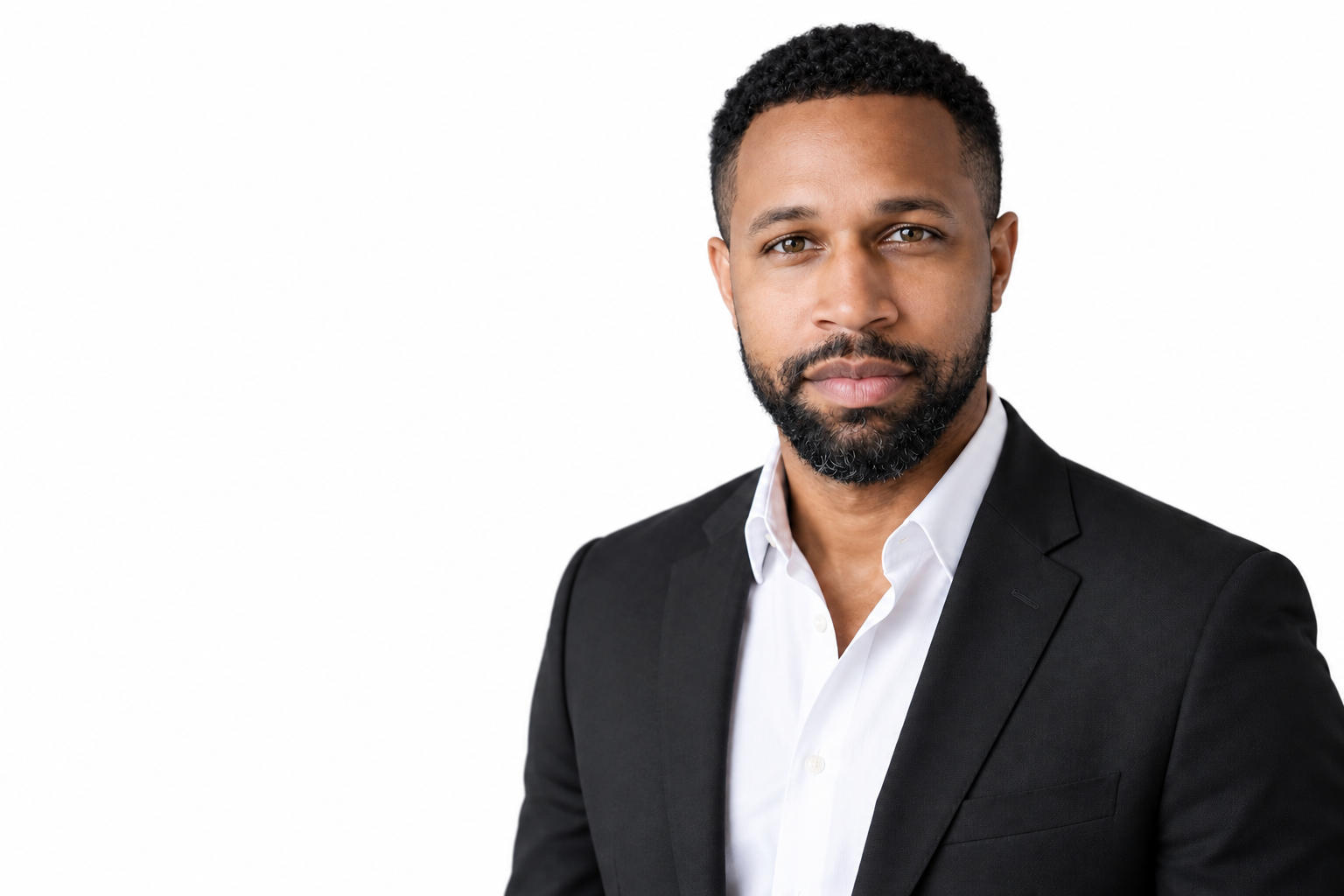
Armistead Gratton provides fractional COO and business operations support designed as an alternative to hiring a full-time chief operating officer. The engagement centers on practical operational leadership rather than strategy alone, combining executive thinking with hands-on execution to help founders build systems, strengthen teams, and create consistent follow-through in their businesses. Armistead Gratton structures work around the specific operational challenges a business faces rather than a fixed hourly package, starting with clarity on what needs to improve and moving into ownership and execution of solutions.
What operational problems does fractional COO support solve?
Fractional COO work addresses three core operating challenges that emerge as businesses grow. First, founders often become the default decision-maker and problem-solver, with no structured system to handle follow-up or delegation. Second, priorities may be clear in strategy but lack ownership, coordination, and the execution discipline to move them forward. Third, teams and tools grow faster than the systems that should manage them, leaving the business feeling harder to run than it should be.
Armistead Gratton's approach focuses on building a better operating structure so growth does not bring chaos. This means creating clarity around roles and priorities, establishing ownership of outcomes, and ensuring consistent execution across the team.
How does Armistead Gratton structure fractional COO engagements?
Engagements begin with understanding where the business is and what work would be most useful to tackle first. The framework emphasizes starting where it is useful rather than imposing a standard package on every client. Work combines executive thinking (strategy and direction) with practical execution (actually doing the operational work alongside the founder and team), rather than offering advice alone.
The model is grounded in hands-on work, not just consulting. This means the fractional COO is involved in the actual execution of systems, team coordination, and follow-through, not simply recommending what should happen.
Who benefits most from fractional COO support?
Fractional COO support suits founders whose businesses have grown to the point where systems and structure are falling behind. This typically includes founders managing teams that have expanded, operations that feel chaotic despite clear strategy, or situations where the founder is stretched too thin across decision-making and problem-solving.
The engagement model works for founders who want the expertise and leadership of an experienced operator without the expense and commitment of a full-time hire. It is particularly relevant for businesses in the scaling phase, where growth has exposed operational weaknesses but a permanent COO role may not yet be justified.
What makes transparent pricing and practical execution the foundation?
Armistead Gratton emphasizes transparent pricing and grounding work in actual execution rather than abstract advice. This means clarity upfront about what the engagement includes and what it costs, paired with real operational work that produces measurable changes in how the business runs.
The focus on execution over advice alone distinguishes this approach from traditional consulting. Rather than delivering recommendations and leaving the founder to implement, the fractional COO works alongside the team to actually build and implement the systems and processes that make the business run better.